

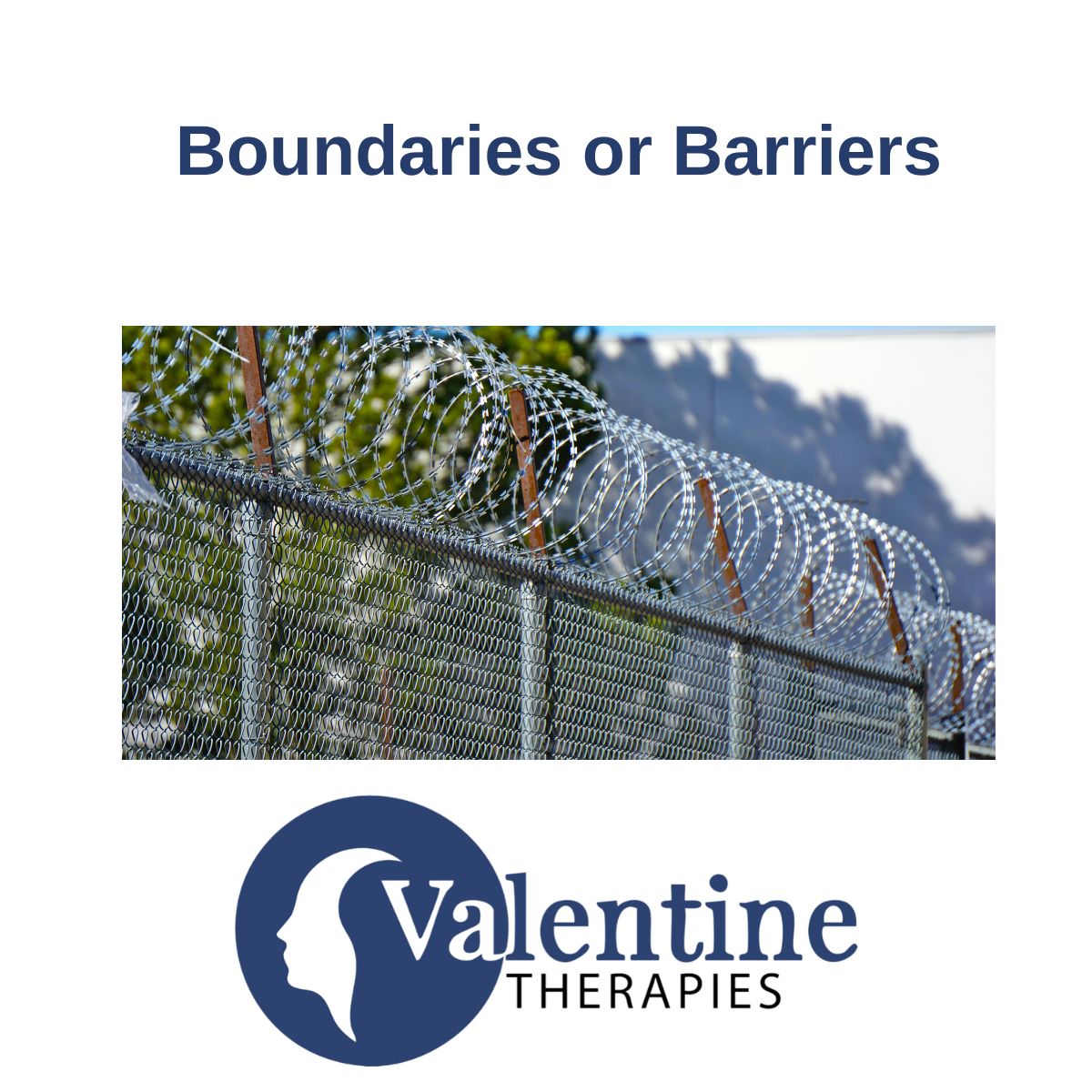
Finding the Balance in Relationships and Healing
We hear a lot about boundaries these days and rightly so. Healthy boundaries are essential for protecting our emotional wellbeing, preserving our energy, and helping us feel safe in our relationships. For many people, learning to set boundaries is a powerful and necessary step in their healing journey. I have worked with many clients over the years to help them not feel guilty about understanding their boundaries.
But there’s a quieter conversation that often gets overlooked…
What happens when boundaries stop protecting us and start isolating us?
The Purpose of Boundaries
At their core, boundaries are about clarity and self-respect. They help us say:
- “This is what I am comfortable with.”
- “This is what I need.”
- “This is what I will and won’t accept.”
When boundaries are healthy, they:
- Support emotional safety
- Encourage mutual respect
- Prevent resentment and burnout
- Allow for authentic connection
However, boundaries are not walls; think of them as doors with locks. They allow the right things in and keep harmful behaviour out.
When Boundaries Shift Into Barriers
Sometimes, especially after painful experiences, boundaries can become rigid, overly protective, or fear-driven.
Instead of being flexible and responsive, they can turn into something more like barriers. They keep not just harm out, but also connection, growth, and support.
This can show up as:
- Avoiding vulnerability altogether
- Cutting people off quickly at the first sign of discomfort
- Relying heavily on independence to avoid needing others
- Interpreting normal human mistakes as violations
- Struggling to trust, even when trust may be safe
In these moments, what looks like “strong boundaries” may be self-protection rooted in fear.
Why This Happens
If you’ve experienced hurt, betrayal, rejection, or emotional overwhelm, your nervous system learns to protect you. And it does this well.
Barriers often develop when:
- You’ve had your boundaries ignored in the past
- You’ve felt unsafe being open or vulnerable
- You associate closeness with pain
- You’ve learned that relying on others leads to disappointment
So instead of balanced boundaries, the system shifts toward “total protection.”
And that makes sense.
But over time, those protective strategies can limit your ability to experience connection, intimacy, and emotional safety with others.
The Difference Between a Boundary and a Barrier
A helpful question to ask yourself is:
Is this choice coming from self-respect or from fear?
Here’s a simple way to understand the difference:
Healthy boundaries:
- Are flexible, not rigid
- Allow for communication and repair
- Consider context and intention
- Keep you safe while allowing connection
Barriers:
- Are rigid and automatic
- Shut down communication
- React quickly to perceived threat
- Prioritise avoidance over understanding
Boundaries say, “I matter, and so do you.”
Barriers say, “I can’t risk letting you in.”
Rebuilding Safe Boundaries
Do you recognise yourself in this? Your system has been trying to keep you safe in the best way it knows how.
The work isn’t about removing boundaries. It’s about softening them just enough to allow safe connection again.
Some gentle steps might include:
1. Noticing your responses
Pay attention to when you feel the urge to withdraw, shut down, or push people away. Ask yourself what you’re feeling underneath; is it fear, hurt, uncertainty?
2. Slowing down reactions
Not every uncomfortable feeling is a sign of danger. Sometimes it’s simply unfamiliarity or vulnerability.
3. Practising safe connection
Choose relationships where there is respect, consistency, and care. Let yourself test small moments of openness.
4. Communicating instead of cutting off
Instead of immediately withdrawing, consider expressing what’s happening for you:
- “That felt difficult for me.”
- “I need a bit of reassurance here.”
- “Can we talk about this?”
5. Seeking support
Therapy or guided support can help you untangle the difference between past wounds and present reality so your responses become more choice-driven rather than fear-driven.
Finding the Balance
Healing isn’t about becoming “fully open” or “completely guarded”, it’s about finding balance.
You are allowed to:
- Protect your energy
- Take space when needed
- Say no without guilt
And you are also allowed to:
- Be seen
- Be supported
- Experience connection safely
Boundaries should support your life, not shrink it.
And finally
If your world feels smaller, quieter, or more isolated than you’d like, it may not be that your boundaries are too weak but that they’ve become too strong.
And that’s not a failure. It’s a sign that your system adapted to keep you safe.
Now, gently, you can begin to teach it something new:
That connection doesn’t always mean danger.
That being seen doesn’t always lead to hurt.
And that it’s possible to be both protected and connected.
Find me on instagram www.instagram.com/jacquivalentinetherapies/